 By
By 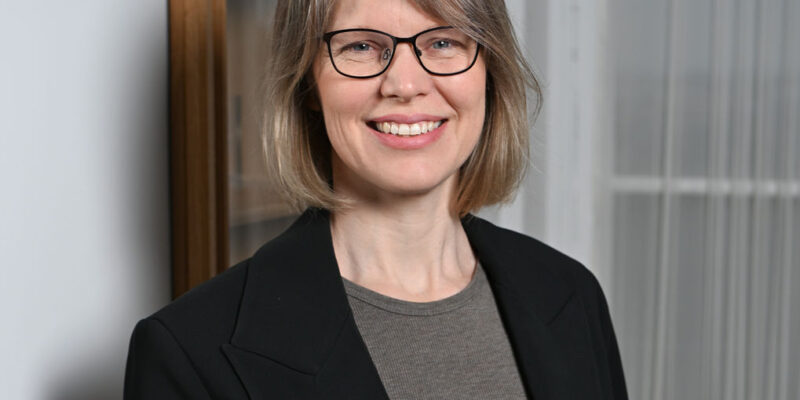
The metrology community is buzzing with excitement following the appointment of Dr. Annette Koo as the new Director of the Bureau International des Poids et Mesures (BIPM). Dr. Koo brings a wealth of experience and a fresh perspective to the role at a essential time for the global measurement system, particularly as we navigate rapid technological advancements and evolving global challenges. In this exclusive interview for e-Medida, we talk with Dr. Koo about her vision for the future of metrology, the challenges ahead, and the importance of collaboration in a rapidly evolving world.
Congratulations on your new role! Could you share with our readers what motivated you to accept the position of Director at the BIPM?
I think it is such a privilege to work in metrology – it is a field that is deeply scientifically challenging while also immediately relevant and impacts society. And as a metrologist, what greater potential for impact is there than as Director of the BIPM? It is an organisation with a proud history that I feel very honoured to have the opportunity to contribute to.
As the new Director, what is your overarching vision for the BIPM for the coming years? How do you plan to steer the organisation to maintain its relevance?
I would like to see BIPM continuing to be seen as a centre of thought leadership where the big conversations are being held about the future of metrology. In a world where we are experiencing rapid technology development and changing national priorities the need for spaces where we can share in open and vibrant exchange is increasing. To be such a space will require us to invite a wider range of voices into our conversations, to listen, to keep testing our assumptions, and make sure we are asking the right questions even when they are uncomfortable.
“I would like to see BIPM continuing to be seen as a centre of thought leadership where the big conversations are being held about the future of metrology.”
How do you see the evolving role of the BIPM in light of emerging technologies such as AI, quantum metrology, and digital calibration certificates?
In our coordinating role, the BIPM can provide spaces (as I described in the answer to the previous question) for our members to come together and work through how these technologies can contribute to improved traceability to the International System of Units (SI). When a clear mandate is received from our community to develop expertise or further coordinate collaborative activities in these areas the BIPM can respond.
Metrology is often described as “the science of trust.” How do you plan to strengthen global confidence in measurement systems, especially in developing countries?
Although countries all around the world already depend on the reliability and comparability of the International System of Units (SI) to support their national aspirations for economic development and wellbeing, not all of them have established links to this world-wide measurement system. To work toward truly universal adherence to the international system of units, we are anticipating the introduction of a new ‘Observer status’ at our General Conference in 2026. This will open a path for all countries to interact with us, gain access to targeted capacity building activities, and deepen the trust that metrology already brings to their respective economies.
The next generation of scientists will play a crucial role in advancing metrology. What message would you give to young professionals entering this field today?
Metrology is an immensely satisfying career to pursue – you will have the occasion to examine the physical world at the limits of accuracy while also provide critical services to decision makers in health, commerce, trade, environment, and science every day. If you are someone who likes to ask questions and doesn’t accept things at face value, you are well suited to metrology. You will also find an open community with confidence in the power of collaboration to solve problems and to support the aspirations of people all over the world.
“Metrology is an immensely satisfying career to pursue…”
Sustainability has become a global priority. How can metrology contribute to addressing climate change and supporting the United Nations Sustainable Development Goals (SDGs)?
I believe that metrology will be a key contributor to supporting many of the United Nations Sustainable Development Goals (SDGs). It begins already at the stage of defining the goals themselves – for example, what is ‘clean’ water or ‘good’ health, i.e., how will we measure them? And as interventions are planned and carried out, reliable measurements are required to evaluate their effectiveness. With respect to climate in particular, the accuracy requirements for the essential climate variables identified by the Global Climate Observing System are in some cases very challenging and metrologists have a crucial role to work closely with the wider community to develop reliable reference scales and then practical technology to enable long term comparable data sets.
Promoting gender equality and diversity in science is essential. What initiatives do you believe can help attract and support more women in metrology and related disciplines?
There are so many wonderful initiatives to attract diversity into our labs, so it is hard to pick one. Personally, I have valued the opportunities I’ve been given to listen to different voices. A lot of the work we must do is in our own heads – challenging our own preferences to listen to voices that are like our own. So, initiatives that deliberately giving extra airtime to difference – for example in public speaking line-ups – has the effect that our presuppositions are broken down and we learn to do the same in our meeting rooms, in our laboratories, in our wider spheres of influence.
“…the benefits that metrology has to offer will only be realised if people know about them.”
Communication is increasingly important in science. How do you think the BIPM and the metrology community can better engage with society to highlight the importance of accurate measurements in everyday life?
I agree this is critical; the benefits that metrology has to offer will only be realised if people know about them. We have many opportunities to grow in this area – taking advantage of special events like we did this year when celebrating the 150th anniversary of the Metre Convention, using our annual celebrations of World Metrology Day strategically (watch this space because next year we will be reaching out to a very important stakeholder community), partnering with other international organisations to get metrology into educational programs, and many more!
Dr. Koo, thank you very much for sharing your insights and your vision for the future of the BIPM and international metrology. Your commitment to the advancement of global metrology is clear. We wish you every success in this new stage of your career, and we look forward to seeing how your leadership will continue to strengthen the global measurement system.





Comentarios